


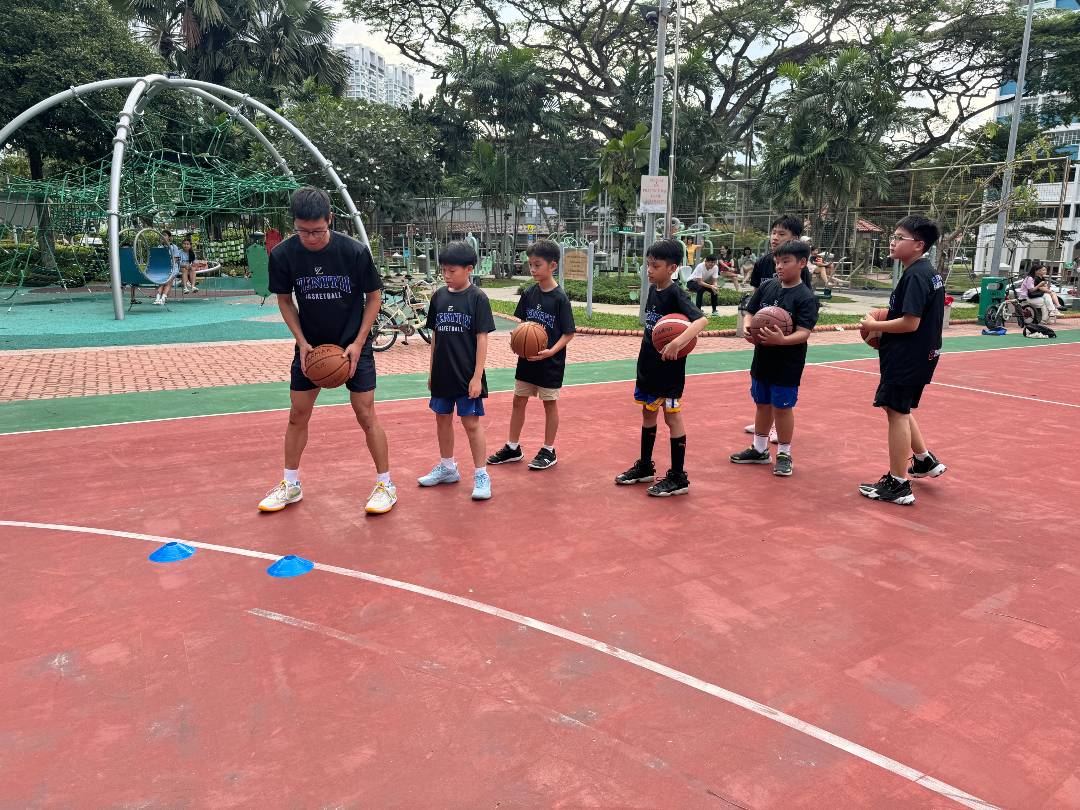


A basketball chest pass is one of the most fundamental and widely used passing techniques in the game. It involves throwing the ball directly from your chest to your teammate’s chest using both hands, creating a fast, straight, and accurate pass. If basketball had a “bread and butter” move for teamwork, this would be it. Simple on the surface, yet powerful when executed correctly.
In competitive play, the chest pass is often the first passing skill taught to beginners because it builds the foundation for ball movement, spacing, and offensive flow. Whether you are playing in a structured system or just having a casual game, the chest pass remains a reliable tool for quick ball distribution.
The basketball chest pass is not just basic, it is essential. It allows players to move the ball quickly without unnecessary flair, which is often what separates efficient teams from chaotic ones. Think of it like a well-timed handshake between teammates, quick, direct, and purposeful.
In high-level basketball, players rely on chest passes to maintain tempo and control. Unlike flashy passes that carry higher risk, the chest pass prioritises accuracy and speed, making it ideal in tight defensive situations.
Executing a basketball chest pass correctly requires proper body mechanics. It is not just about pushing the ball forward; it is about generating controlled force while maintaining precision.
The player starts by holding the ball at chest level with both hands. The elbows should be slightly bent and positioned close to the body. As the pass is made, the player extends their arms forward while stepping slightly toward the target. The wrists snap outward at the end of the motion, giving the ball its speed and direction.
The ball should travel in a straight line, not in an arc. If it looks like a rainbow, something is off. A good chest pass is sharp, direct, and arrives at the receiver’s chest level.

A strong basketball chest pass is built on technique rather than brute strength. Players often assume power is the main factor, but in reality, timing, positioning, and mechanics play a bigger role.
The use of both hands ensures stability and control. The step forward adds momentum, while the wrist snap provides the final acceleration. When all these elements come together, the pass becomes quick and difficult to intercept.
At advanced levels, players refine their chest pass by adjusting speed and angle depending on defensive pressure. It is no longer just a pass, it becomes a decision-making tool.
Even though the basketball chest pass is basic, many players execute it poorly. One common mistake is throwing the ball too high or too low, forcing teammates to adjust awkwardly. Another mistake is failing to use the wrists, resulting in slow and easily intercepted passes.
Some players also forget to step into the pass, which reduces power and accuracy. It is like trying to throw a punch without moving your body, you lose effectiveness.
Overusing force is another issue. When players try to “blast” the ball, they sacrifice control. A good chest pass should feel smooth, not forced.
The basketball chest pass is most effective in situations where speed and directness are required. It is commonly used in half-court offences, fast breaks, and perimeter ball movement.
If a defender is not directly blocking the passing lane, the chest pass is usually the best option. It is quick, predictable for teammates, and reduces the chances of turnovers.
However, when defenders have their hands up or are closing passing lanes, players may need to switch to other passes like bounce passes or overhead passes. Knowing when to use a chest pass is just as important as knowing how to execute it.
Compared to other passes, the basketball chest pass is the most direct. Bounce passes involve the ball hitting the floor before reaching the teammate, while overhead passes are used to pass over defenders.
The chest pass sits in the middle of all these options as the most balanced and efficient. It does not require complex angles or adjustments, making it the go-to pass for most situations.
In professional basketball, players like Chris Paul and Stephen Curry use chest passes frequently to maintain offensive flow, proving that even at the highest level, fundamentals never go out of style.
Improving your basketball chest pass comes down to repetition and awareness. Players should focus on consistency rather than speed initially. Practising with a partner helps build accuracy and timing.
Wall passing drills are also effective. By repeatedly passing against a wall, players can refine their mechanics and develop muscle memory. Over time, the pass becomes automatic, allowing players to focus more on reading the game.
Game-like drills are equally important. Practising under pressure helps players understand when and how to use the chest pass effectively during real matches.
Basketball is a team sport, and the chest pass is one of the clearest expressions of teamwork. It connects players, keeps the ball moving, and creates scoring opportunities.
A team that passes well is often a team that wins. The chest pass allows players to share the ball efficiently, preventing stagnation and forcing the defence to react.
When executed consistently, it creates rhythm. And once a team finds rhythm, everything else starts to fall into place.
Mastering the basketball chest pass may seem like a small detail, but it has a huge impact on overall performance. It improves ball control, enhances teamwork, and reduces turnovers.
Many players chase advanced skills without perfecting the basics. But in reality, the fundamentals are what separate good players from great ones. The chest pass is not just a beginner skill, it is a lifelong tool in basketball development.
At its core, the basketball chest pass represents efficiency, control, and teamwork. Master it, and you are not just improving your passing, you are elevating your entire game.
If you are looking to refine your fundamentals and build strong basketball skills, explore structured training programs at Zenith Basketball Academy and take your game to the next level.
A: A basketball chest pass is a two-handed pass thrown from the passer’s chest directly to a teammate’s chest. It is one of the most basic and effective passes in basketball because it is fast, direct, and accurate.
A: The chest pass is important because it helps move the ball quickly and safely between teammates. It supports better teamwork, improves offensive flow, and reduces unnecessary turnovers when used correctly.
A: A basketball chest pass should be used when there is a clear passing lane and you want to deliver the ball quickly to a teammate. It works best in half-court sets, perimeter ball movement, and many fast-break situations.
A: To do a basketball chest pass properly, hold the ball at chest level with both hands, step toward your teammate, extend your arms forward, and snap your wrists as you release the ball. The ball should travel in a straight line to your teammate’s chest.
A: The benefits of a basketball chest pass include speed, accuracy, control, and consistency. It is one of the safest passes to use when you need efficient ball movement without adding unnecessary risk.
A: Players should avoid throwing the ball too high or too low, passing without stepping forward, and forgetting to snap their wrists. They should also avoid forcing the pass too hard, as that can reduce control and accuracy.
A: No, the chest pass is not only for beginners. While it is one of the first passes taught to new players, it remains an essential skill at all levels of basketball, including competitive and professional play.
A: You can improve your basketball chest pass by practising with a partner, using wall-passing drills, and working on timing during game-like situations. Repetition helps build accuracy, confidence, and better decision-making.
Click on the link to find out more about Zenith Basketball Academy’s lesson package. Chat with our head coach today!
Home
About Zenith Basketball Academy
Private Basketball Lessons
Kids Basketball Lesson
Group Basketball Lessons
Shooting Drills
Basketball Coach
Whatsapp Us

