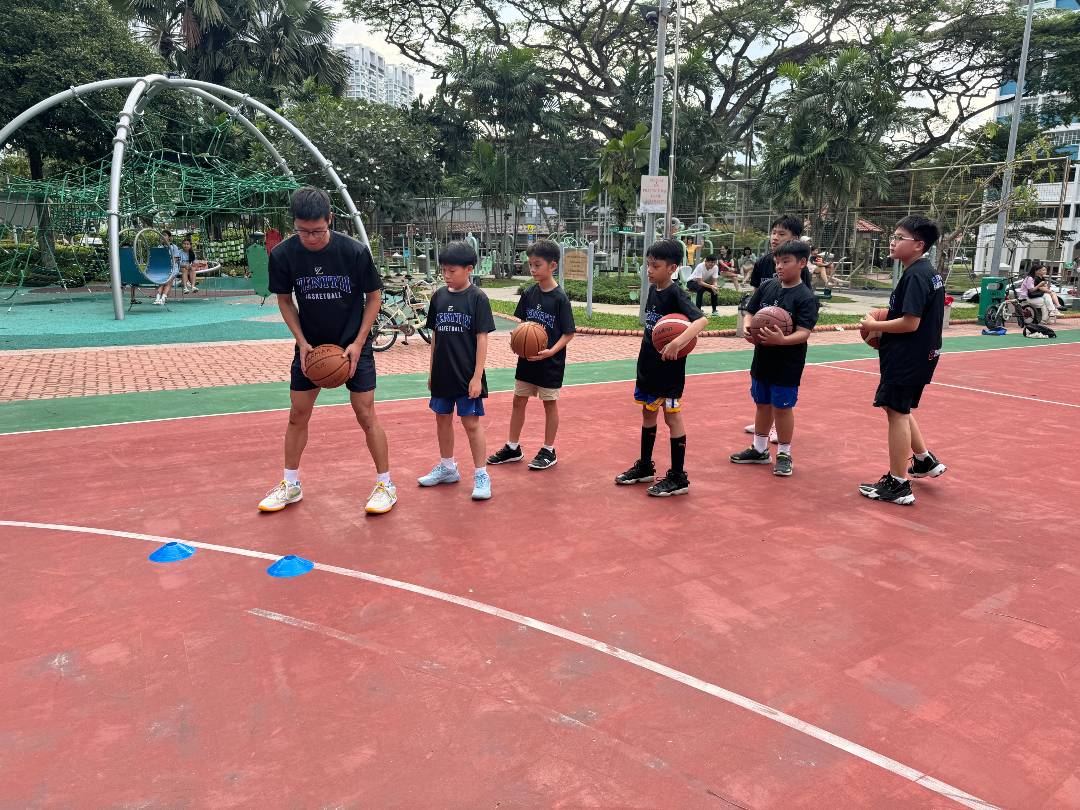
What Drills Improve Basketball Dribbling Skills?
If you have ever lost control of the ball under pressure or struggled to create space against a defender, you have probably asked yourself what drills improve basketball dribbling skills. Dribbling is one of the most visible skills in basketball, but it is also one of the most misunderstood. Many players believe dribbling improves simply by bouncing the ball more. In reality, effective dribbling comes from targeted basketball training that develops control, coordination, awareness, and decision-making together.
Strong dribbling skills allow players to stay composed under pressure, protect the ball, and create opportunities for themselves and their teammates. Without them, even the most athletic players can feel limited. Understanding which drills truly improve dribbling can change how you train and how confident you feel on the court.
This article breaks down the types of drills that genuinely improve basketball dribbling skills and explains why structured basketball training matters more than random repetition.
Why Dribbling Feels Harder In Games Than In Practice
Many players can dribble comfortably on their own but struggle once defenders are involved. This happens because game situations demand much more than hand coordination. Players must read defenders, adjust speed, protect the ball, and make decisions while moving.
Basketball dribbling is not a standalone skill. It is closely linked to footwork, balance, vision, and timing. When any of these elements break down, dribbling suffers.
According to movement and skill analysis shared by FIBA, guards perform frequent changes of direction and speed while maintaining ball control under pressure, which places high demands on coordination and reaction time.
This explains why dribbling drills must go beyond stationary ball bouncing to truly translate into games.
Foundational Dribbling Drills That Build Control
The first category of drills that improve basketball dribbling skills focuses on control. These drills train players to feel the ball, stay balanced, and keep their head up. Control-based drills often involve low dribbles, alternating hands, and rhythm changes.
These drills may look simple, but they build the foundation for everything else. Players who skip this stage often struggle later when pressure increases. Control drills improve finger strength, wrist flexibility, and ball awareness, all of which are essential for confident dribbling.
In effective basketball training, these drills are done with intention. Players are encouraged to stay relaxed, maintain posture, and keep their eyes forward rather than staring at the ball.
Movement-Based Dribbling Drills For Game Transfer
Once control improves, movement-based drills become essential. These drills combine dribbling with walking, jogging, and directional changes. They teach players to coordinate their feet and hands while maintaining balance.
Movement-based drills improve dribbling because basketball rarely happens in one spot. Players are constantly moving, adjusting angles, and reacting to defenders. Training dribbling while moving helps the skill carry over into real play.
In basketball training environments, these drills are often layered with timing cues or spatial targets. This forces players to process information while dribbling, making the skill more game-ready.
If you want to understand how early-stage ball control fits into overall development, our internal guide on ball-handling drills for beginners explains how foundational drills support long-term progress.
Change Of Pace Drills That Create Separation
One of the most important dribbling skills in basketball is the ability to change speed. Defenders react to rhythm. When your pace is predictable, you are easy to guard.
Drills that focus on sudden acceleration and deceleration teach players how to shift gears effectively. These drills improve dribbling by training players to stay in control during speed changes. Losing control often happens when players rush movements without proper balance.
Change-of-pace drills also develop confidence. When players trust their handle at different speeds, they become more assertive and creative with the ball.
Good basketball training integrates these drills naturally, helping players understand when and why to change pace rather than doing it randomly.
Dribbling Under Pressure And Decision-Making
Dribbling drills that involve pressure are critical for real improvement. Pressure can come from defenders, time limits, or space restrictions. These drills train players to protect the ball, stay composed, and make quick decisions.
Under pressure, poor habits are exposed. Players who rely only on speed often panic. Those with strong fundamentals remain calm.
Decision-based dribbling drills improve skills by forcing players to read situations rather than pre-plan moves. This mirrors game conditions and builds confidence.
Training in this way also improves mental stamina. Players become comfortable operating under stress, which directly improves dribbling performance during games.
Why Basketball Training Matters More Than Random Drills
Many players search for drills online and practice them in isolation. While this can help, true improvement comes from structured basketball training. Training environments allow drills to be sequenced properly, ensuring players develop control before complexity.
Basketball training also provides feedback. Coaches correct posture, timing, and habits that players may not notice on their own. This guidance accelerates progress and prevents the reinforcement of poor technique.
Players who commit to structured training often see faster and more consistent improvements in dribbling because every drill has a purpose within a broader development plan.
To complement dribbling development, you may also benefit from our internal article on how to shoot better as a beginner, as ball-handling and shooting confidence often improve together.
Conclusion
So, what drills improve basketball dribbling skills? The most effective drills build control first, then layer movement, pace changes, pressure, and decision-making. Dribbling improves fastest when it is trained as part of a complete basketball training approach rather than isolated repetition.
When players understand why drills matter and how they translate into games, confidence grows. Dribbling becomes less about flashy moves and more about control, purpose, and consistency.
If you want to improve your dribbling skills through structured basketball training, visit Zenith Basketball Academy to explore programmes designed to develop confident, game-ready players. You can also learn more about our skills-focused approach at Zenith Basketball Academy Skills Training.
FAQ
Q: How often should I practice dribbling to improve?
A: Consistent practice several times a week within structured basketball training leads to the best results.
Q: Are stationary dribbling drills enough?
A: No. Stationary drills build control, but movement and pressure are needed for game improvement.
Q: Why do I lose the ball when defenders pressure me?
A: This often comes from weak fundamentals or lack of pressure-based training.
Q: Can beginners improve dribbling without fancy moves?
A: Yes. Strong basics matter more than advanced moves, especially early on.
Click on the link to find out more about Zenith Basketball Academy’s lesson package. Chat with our head coach today!
Home
About Zenith Basketball Academy
Private Basketball Lessons
Kids Basketball Lesson
Group Basketball Lessons
Shooting Drills
Basketball Coach
Whatsapp Us


Gallery