What Muscle Is Most Important For Basketball?
Players often ask what muscle is most important for basketball, hoping there is a single answer they can focus on to improve faster. It is a fair question. Basketball demands jumping, sprinting, stopping, changing direction, shooting, defending, and absorbing contact. With so many physical requirements, it is natural to wonder which muscle truly matters most.
The honest answer may surprise you. Basketball does not rely on one dominant muscle. Instead, performance depends on how multiple muscle groups work together efficiently. However, there is one area of the body that consistently determines how well all other muscles function during basketball training and gameplay.
Understanding this helps players train smarter, reduce injury risk, and improve performance in a way that actually translates on the court.
Why Basketball Is A Full-Body Sport
Basketball is a sport of constant transitions. Players explode into sprints, stop suddenly, jump, land, rotate, and react within seconds. These movements require coordination between the upper body, lower body, and core.
Research referenced by FIBA highlights that basketball players perform repeated high-intensity movements that demand strength, balance, and stability across the entire body rather than isolated muscle output.
This explains why players who only train individual muscles often struggle to apply that strength in games. Basketball rewards functional strength, not just muscle size.
The Core: The Most Important Muscle Group In Basketball
When players ask what muscle is most important for basketball, the most accurate answer is the core.
The core includes the muscles around the abdomen, lower back, hips, and pelvis. These muscles stabilise the body and transfer force between the upper and lower body. Every powerful basketball movement starts or passes through the core.
When you jump, your legs generate force, but your core stabilises your body in the air. When you sprint, your core keeps your posture efficient. When you shoot, your core connects your lower body power to your upper body control. Without a strong core, strength leaks away.
In basketball training, players with weak core stability often look strong in isolated drills but struggle under pressure. They lose balance when changing direction, fade awkwardly on shots, and fatigue faster.
A strong core improves efficiency. Efficient movement conserves energy. Conserved energy improves stamina and consistency late in games.
Lower Body Muscles And Explosive Power
While the core is central, the lower body plays a major role in basketball performance. The quadriceps, hamstrings, glutes, and calves drive jumping, sprinting, and defensive movement.
Explosive first steps, quick stops, and vertical lift all depend on lower body strength. However, these muscles only reach their potential when supported by core stability. Strong legs without control lead to wasted motion and increased injury risk.
In basketball training, lower body work should focus on strength, balance, and coordination rather than raw power alone. Players who develop controlled strength move more efficiently and stay effective longer.
If fatigue affects your movement quality, our internal guide on how to improve basketball stamina explains how strength and endurance work together.
Upper Body Muscles And Basketball Control
The upper body is often misunderstood in basketball. While the sport does not require extreme upper-body strength, it does demand control, stability, and coordination.
Shoulders, arms, and upper back muscles support shooting mechanics, ball control, passing accuracy, and defensive contact. Weak upper-body control can cause shooting inconsistency, poor pass accuracy, and difficulty absorbing contact.
In basketball training, upper-body strength should enhance skill execution, not interfere with it. Players who overtrain the upper body without balance often feel stiff and less fluid.
Balanced strength allows players to stay relaxed while maintaining control under pressure.
Why One Muscle Alone Is Never Enough
Basketball exposes weaknesses quickly. Players who rely heavily on one physical attribute often struggle when games intensify. A strong lower body without core stability leads to poor balance. A strong upper body without coordination leads to forced shots. A strong core without skill leads to wasted effort.
The most effective players develop strength that works together. They move smoothly, stay balanced, and recover quickly between actions. This is why structured basketball training focuses on integration rather than isolation.
Training muscles to function as a unit produces better results than chasing one muscle group.
How Basketball Training Should Develop Key Muscles
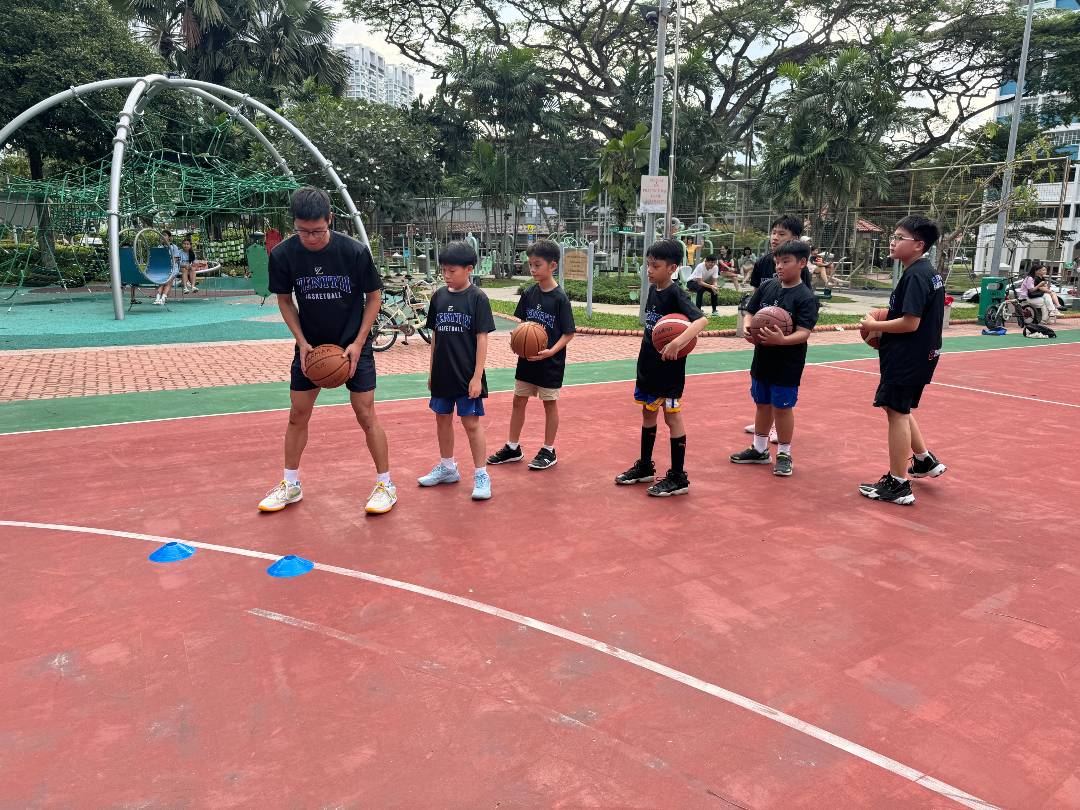
The best basketball training builds strength through movement, not just weight lifting. Drills that combine footwork, balance, shooting, and decision-making naturally strengthen the core and supporting muscles.
When training reflects game demands, muscles learn to cooperate. This reduces energy loss, improves control, and enhances consistency.
If you are working on ball control alongside strength, our internal article on ball-handling drills for beginners shows how coordination and strength develop together.
This approach ensures strength gains translate directly to performance.
Conclusion
So, what muscle is most important for basketball? While many muscles contribute, the core stands out as the foundation that connects everything. A strong core allows lower body power and upper body control to work together efficiently.
Basketball performance depends on total-body coordination, not isolated strength. Players who train with this understanding move better, fatigue less, and perform more consistently.
If you want to develop the strength that truly matters through intelligent basketball training, visit Zenith Basketball Academy to explore development programmes built around real game demands. You can also learn more about our skills-focused approach at Zenith Basketball Academy Skills Training.
FAQ
Q: Is leg strength the most important for basketball?
A: Leg strength is important, but it must work together with core stability for effective performance.
Q: Why is the core so important in basketball?
A: The core transfers power, maintains balance, and supports movement efficiency in all basketball actions.
Q: Can basketball players rely on gym strength alone?
A: No. Strength must be developed through basketball-specific movement to translate into games.
Q: Does basketball training improve muscle coordination?
A: Yes. Well-structured basketball training naturally improves how muscles work together.
Click on the link to find out more about Zenith Basketball Academy’s lesson package. Chat with our head coach today!
Home
About Zenith Basketball Academy
Private Basketball Lessons
Kids Basketball Lesson
Group Basketball Lessons
Shooting Drills
Basketball Coach
Whatsapp Us


Gallery