


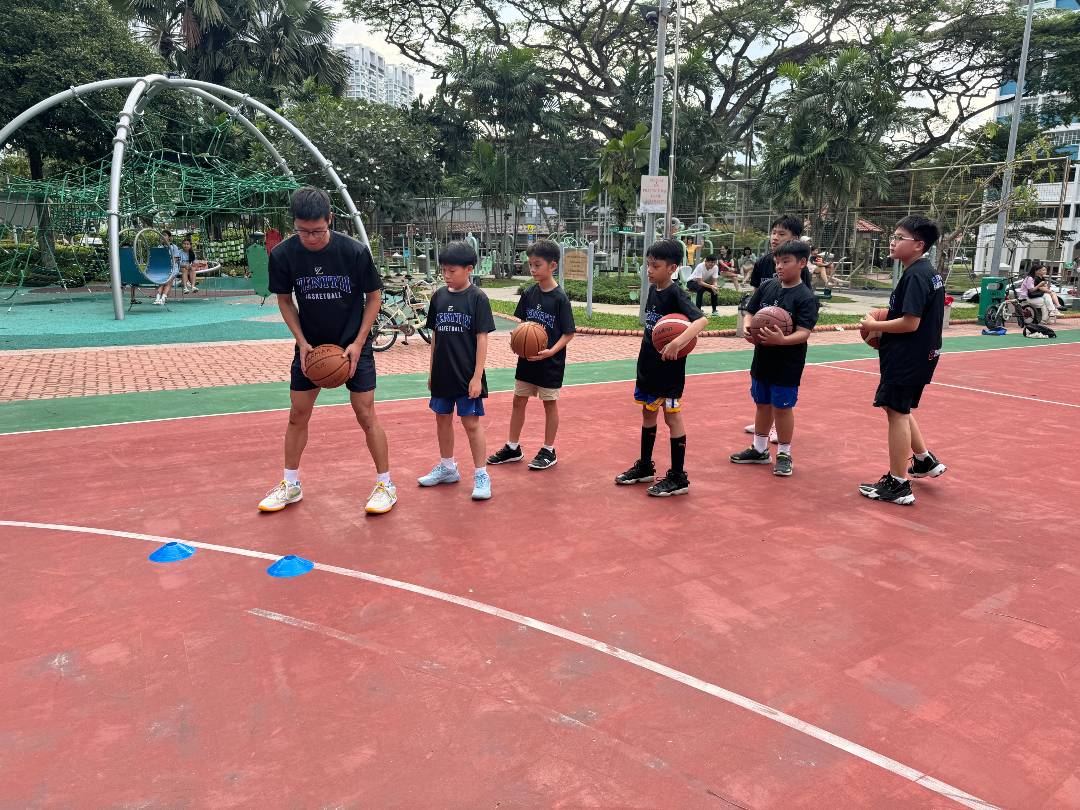


If you want to move better on the court, balance is one of the first things you need to improve. Players often focus on shooting, dribbling, or speed, but balance is what holds those skills together. Without it, a drive becomes messy, a jump shot becomes inconsistent, and defence starts to look like a scramble instead of control. Good balance in basketball means being able to stay stable while stopping, starting, changing direction, absorbing contact, and reacting under pressure.
That is why learning how to improve balance for basketball is not just for beginners. It matters for every player. Whether you are attacking the rim, defending a quicker opponent, or trying to stay composed late in a game, balance affects how well you execute. Strong balance helps players move with purpose instead of panic. It turns effort into efficiency.
In basketball, balance is not about standing still on one leg and hoping for the best. It is about body control in motion. FIBA coaching materials emphasise that changing direction efficiently requires leg strength, coordination, and good body balance, which is why balance is tied so closely to game movement rather than isolated posture alone.
Basketball is full of unstable moments. You stop suddenly, pivot under pressure, land from jumps, recover after contact, and shift directions in a split second. If your body cannot stay organised during those moments, your skill level gets buried under wasted movement.
A balanced player usually looks calm. Their footwork is cleaner, their reactions are sharper, and their decisions tend to be better because they are not constantly trying to recover from bad body positions. This matters on both ends of the floor. Offensively, balance helps with shot preparation, change of pace, and finishing. Defensively, it helps you stay low, slide properly, and avoid overcommitting.
There is also a performance angle here. A 2025 systematic review examining balance training in basketball players found that balance-focused work had positive effects on physical fitness and skill-related performance. A 2024 study on children aged 7 to 10 also reported that basketball training can help slow declines in static balance during growth spurts, suggesting that balance is both trainable and relevant across different stages of development.
If you want to improve balance for basketball, start with your base. Most balance issues begin at the feet. Players stand too upright, let their feet get too narrow, or cross their legs during movement. Once that happens, everything above the waist starts compensating.
A good basketball base is athletic, not stiff. Your feet should be set wide enough to give you stability without making you slow. Your knees should stay engaged, and your hips should help you stay low and ready. This is especially important when defending, preparing to shoot, or changing directions.
Footwork is the bridge between balance and real basketball performance. Better footwork means fewer wasted steps. Fewer wasted steps mean better balance. Better balance means more control when the game speeds up. It is all connected. This is one reason strong basketball training does not just teach skills in isolation. It teaches players how to move into and out of those skills with control.
If you want to support this part of your development, you can also explore our internal guide on What Drills Improve Basketball Dribbling Skills?, because ball-handling becomes much more effective when your lower body is stable.
Balance improves when the body is strong enough to hold positions and react without collapsing. That does not mean you need to train like a powerlifter. It means you need useful basketball strength.
The lower body matters because it provides your base. Your legs help you absorb force, stay grounded, and push into the next movement. Your core matters because it connects your upper and lower body. Without core control, players often lean too much, drift on jumpers, or lose body alignment during contact. This is why balance is not just a footwork issue. It is a whole-body control issue.
Research published in 2025 found that basketball-specific balance training improved physical and skill-related outcomes, while a separate 2025 study linked trunk endurance and dynamic stability with in-game performance, reinforcing the idea that stability and core control are relevant to basketball execution.
This is also why balance and lower-body development should grow together. If your legs fatigue too quickly, your balance usually disappears with them. That is where structured basketball training makes a major difference. It helps players build strength that actually shows up in games rather than strength that only looks good away from the court.
For more on that connection, read How To Have A Stronger Lower Body On A Basketball Workout.
A lot of players make the same mistake when trying to improve balance. They treat it like a separate fitness category instead of part of basketball movement. Static balance work can help, but basketball is dynamic. You are rarely frozen in place. You are reacting, rotating, landing, and accelerating.
So if you want better balance for basketball, train it through movement. Work on stopping under control. Work on landing properly after jumps. Work on changing direction without letting your chest fly forward. Work on staying centred when you dribble, defend, and shoot. That is the kind of practice that transfers.
This idea is supported by basketball-specific balance research. A 2023 intervention study found that six weeks of perturbation-based balance training improved dynamic balance in basketball players, and a 2024 shooting study reported gains in dynamic balance and jump-shot performance after a balance-focused shooting program.
That should tell you something important. Better balance is not just about looking more stable. It can support actual basketball actions that matter, including movement quality and shooting.
The best balance is the kind you do not have to think about. In games, there is no time to remind yourself to be stable. Your body has to know what to do automatically. That comes from repetition inside the right basketball training environment.
Good basketball training helps players improve balance by layering movement, reaction, and skill execution together. Instead of treating balance like a disconnected exercise, it becomes part of how you dribble, defend, cut, shoot, and finish. Over time, your body learns to organise itself under pressure.
This is especially useful for young players and developing athletes. As the game gets faster, players with stronger balance tend to stay composed while others rush. They recover faster after mistakes. They stay more efficient when tired. They make the court feel smaller because their movements are cleaner.
If balance is one of the hidden problems in your game, improving it can make several other areas improve at the same time. Your defence may feel sharper. Your dribbling may feel safer. Your shot may feel more repeatable. That is the beauty of balance in basketball. It is not flashy, but it quietly upgrades almost everything.
If you are serious about learning how to improve balance for basketball, do not treat it like a side issue. Balance is one of the foundations of real performance. It helps you stay under control, execute skills more consistently, and move with confidence instead of hesitation.
The most effective way to improve it is through better footwork, stronger lower-body and core control, and basketball training that teaches you how to stay stable in motion. When balance improves, the whole game starts to feel cleaner.
If you want to build better balance through structured, skills-focused coaching, visit Zenith Basketball Academy and explore our basketball training programmes designed to develop confident, game-ready players.
A: Balance helps players stay stable while shooting, defending, changing direction, and absorbing contact, which improves overall control on the court.
A: Focus on footwork, lower-body strength, core control, and basketball training that teaches you to move under control instead of rushing.
A: Yes. Better balance gives you a more stable base, which makes your shooting mechanics easier to repeat consistently.
A: Yes. Good basketball training improves balance by combining movement, control, reaction, and skill execution in game-like situations.
Click on the link to find out more about Zenith Basketball Academy’s lesson package. Chat with our head coach today!
Home
About Zenith Basketball Academy
Private Basketball Lessons
Kids Basketball Lesson
Group Basketball Lessons
Shooting Drills
Basketball Coach
Whatsapp Us

