

What Is A Bounce Pass In Basketball
A bounce pass in basketball is a pass where the ball is thrown toward the floor so that it bounces once before reaching a teammate. Unlike the chest pass, which travels in a straight line, the bounce pass uses the floor as part of its pathway, making it more difficult for defenders to intercept.
It may sound like a workaround, but it is actually a highly strategic move. According to the NBA’s youth development guidance, bounce passes are especially effective when defenders are actively guarding passing lanes with their hands up, as the ball travels below their reach (https://jr.nba.com/chest-pass/).
At its core, the bounce pass is about angles, timing, and awareness. When executed properly, it becomes one of the most reliable tools in a player’s passing arsenal.
Why The Bounce Pass Is Important In Basketball
The bounce pass plays a crucial role in navigating defensive pressure. In real game situations, defenders are constantly trying to disrupt passes by extending their arms or closing gaps. A direct pass can easily be tipped or stolen, but a bounce pass changes the angle of delivery.
In structured sports development systems supported by organisations like Sport Singapore, mastering foundational skills such as passing variations is essential for building adaptable players (https://www.sportsingapore.gov.sg/). The bounce pass adds another layer of versatility to a player’s decision-making.
It allows players to deliver the ball safely in tight spaces, particularly when passing into the paint or around defenders.
How To Perform A Bounce Pass Properly
Executing a bounce pass correctly requires precision rather than strength. The player starts by holding the ball with both hands, similar to a chest pass position.
Instead of passing directly to the teammate, the ball is aimed toward a spot on the floor approximately two-thirds of the distance between the passer and the receiver. This ensures that after the bounce, the ball rises naturally into the teammate’s hands.
The arms extend forward, and the wrists snap at the end of the motion to generate speed and control. The key here is accuracy. If the ball hits the floor too close or too far, the pass loses effectiveness.
A well-executed bounce pass should feel smooth and controlled, not forced.
Key Techniques Behind A Good Bounce Pass
A good bounce pass relies heavily on understanding angles. The floor becomes part of the passing equation, so players must visualise where the ball will land and how it will rebound.
The wrist snap remains essential, just like in a chest pass. Without it, the ball lacks speed and becomes easy to intercept. The step forward adds momentum and improves accuracy.
At higher levels, players refine their bounce passes by adjusting the angle based on defender positioning. It becomes less about mechanics and more about reading the game in real time.
Players like Stephen Curry often use bounce passes creatively to navigate tight defensive spaces, proving that even simple techniques can be elevated with skill and awareness.
Common Mistakes Players Make With A Bounce Pass
One of the most common mistakes is misjudging the bounce point. If the ball hits the floor too early, it loses speed and gives defenders time to react. If it hits too late, it may not reach the teammate properly.
Another mistake is failing to use proper wrist action. Without the snap, the pass becomes slow and predictable. Some players also rely too much on force instead of technique, which reduces control.
Poor timing is another issue. Even a technically correct bounce pass can fail if it is delivered at the wrong moment.
When Should You Use A Bounce Pass
The bounce pass is most effective when defenders are blocking direct passing lanes. It is commonly used when passing into the key, feeding a teammate near the basket, or navigating through tight defensive coverage.
It is especially useful in pick-and-roll situations, where a quick and low pass can slip through defenders and reach a cutting teammate.
However, it is not always the best option. On fast breaks or long-distance passes, a chest pass or overhead pass may be more efficient. The key is choosing the right pass for the situation.
Bounce Pass Vs Chest Pass
The main difference between a bounce pass and a chest pass lies in their trajectory. A chest pass travels directly through the air, while a bounce pass uses the floor to alter its path.
The chest pass is faster and more direct, making it ideal for open situations. The bounce pass, on the other hand, is safer in crowded areas where defenders are active.
Both passes are essential. The best players know when to use each one without hesitation.
How To Improve Your Bounce Pass
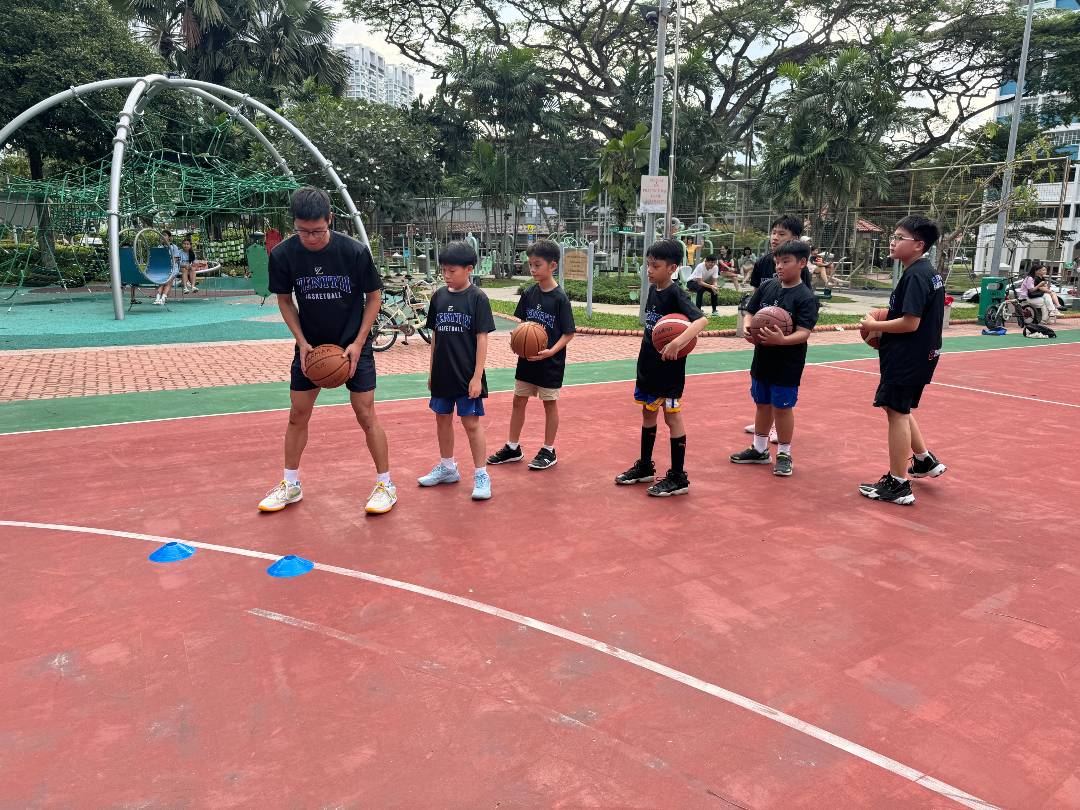
Improving your bounce pass comes down to repetition and awareness. Practising with a partner helps develop timing and accuracy, while wall drills allow players to experiment with angles and control.
Game-like drills are particularly important. They teach players how to adjust their passes under defensive pressure and make better decisions in real time.
Training programmes at Zenith Basketball Academy emphasise these fundamentals because they form the foundation of effective gameplay.
The Role Of The Bounce Pass In Team Play
The bounce pass enhances teamwork by providing an alternative passing option in difficult situations. It allows players to maintain ball movement even when the defence is tight.
When used correctly, it creates scoring opportunities by reaching teammates in positions where direct passes cannot. It keeps the offence fluid and unpredictable.
A team that can mix different types of passes effectively becomes much harder to defend.
Why Mastering The Bounce Pass Matters
Mastering the bounce pass improves a player’s versatility and decision-making. It adds another layer to their skill set, making them more effective in different game scenarios.
Players who understand when and how to use bounce passes reduce turnovers and increase scoring opportunities for their team.
At the end of the day, basketball is about making the right play at the right time. The bounce pass is one of those plays that often goes unnoticed but makes a huge difference.
If you want to sharpen your fundamentals and develop smarter gameplay, training with Zenith Basketball Academy can help you build the skills that truly matter on the court.
FAQ
A: A bounce pass is a pass that hits the floor once before reaching a teammate, making it harder for defenders to intercept compared to direct passes.
A: A bounce pass should be used when defenders are blocking passing lanes, especially in tight spaces or when passing into the key.
A: Aim the ball toward a spot on the floor about two-thirds of the distance to your teammate, step forward, and snap your wrists to control speed and accuracy.
A: The bounce pass is effective because it travels below defenders’ hands, reducing the chances of interceptions and making it ideal in crowded areas.
A: Learning the bounce pass improves passing versatility, decision-making, and overall game awareness, which are essential for effective team play.
Click on the link to find out more about Zenith Basketball Academy’s lesson package. Chat with our head coach today!
Home
About Zenith Basketball Academy
Private Basketball Lessons
Kids Basketball Lesson
Group Basketball Lessons
Shooting Drills
Basketball Coach
Whatsapp Us


Gallery